TWO REAL MOVES · TWO DIFFERENT SEQUENCES
Sell first or buy first? See how two moves unfolded.
Sue Zhang and her team help clients sell their current property and find a home for their next chapter. The Anglin and Andes stories show two different sequences.
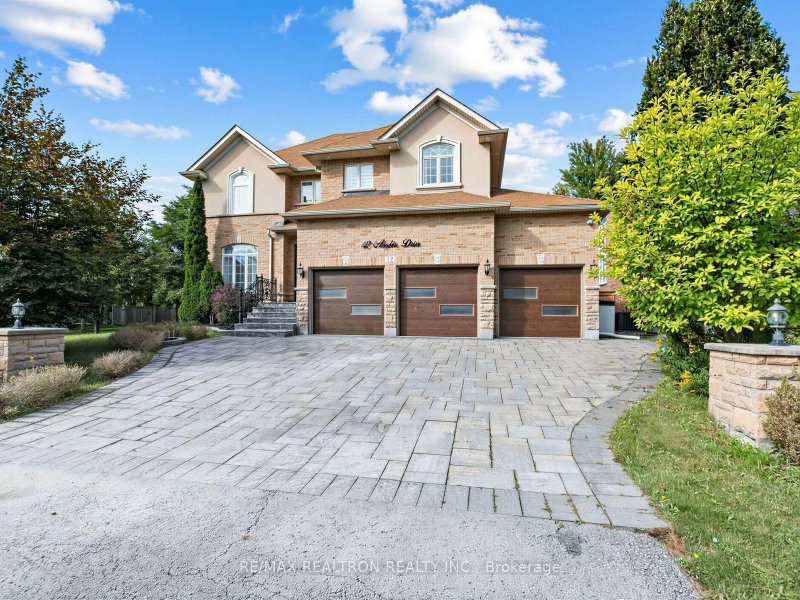
Sell first, then buy
12 Anglin Drive
Richmond Hill · Jefferson
- The clients’ former townhouse sold after 23 days on this listing.
- They then bought the three-car-garage detached home at 12 Anglin Drive in Richmond Hill for C$2,250,000.
The purchase price was C$410,000 below this home’s 2021 sale price.
Read the full case ↗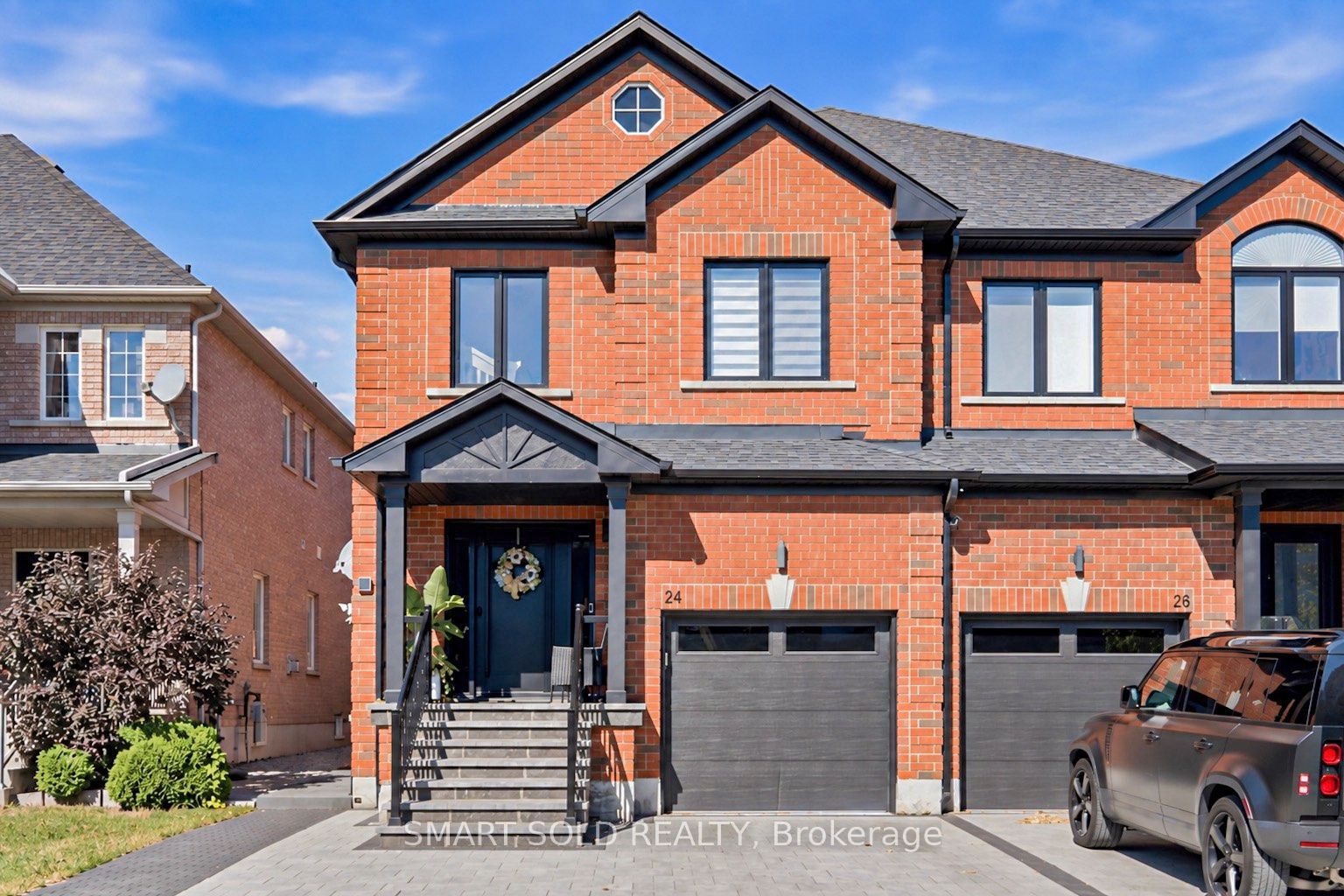
Buy first, then sell
24 Andes Crescent
Vaughan · Vellore Village
- The clients first bought a larger home in the same Vellore Village neighbourhood.
- They then sold their semi-detached home at 24 Andes Crescent: seven early offers on day 3 led to a conditional agreement, followed later by removal of conditions and a C$1,203,000 firm sale.
A larger home in the same neighbourhood, followed by a firm sale of the original home.
Read the full case ↗23 days refers to the former townhouse’s current listing period until sale. Day 3 at Andes refers to early offers, not a firm sale in three days.
Anglin’s C$410,000 is the difference between C$2,660,000 in 2021 and this C$2,250,000 purchase. It excludes taxes, improvements and transaction costs and is not this negotiation’s discount. Andes’ C$1,203,000 is its firm sale price. These figures measure different things and do not rank the two results.
Which sequence fits you, and what needs confirming?
Selling first: if the right next home takes longer to find, how will you arrange housing, moving and search time?
Discuss my next move ↗Buying first: if the original home takes longer to sell, how will you cover the deposit, closing funds and costs of holding both homes?
Discuss my next move ↗Based on Sue Zhang’s confirmed accounts and the sources listed on the full case pages. Client financing and closing dates are not disclosed; a sale does not confirm completed closing. Confirm funding with your lender and contract and closing matters with your lawyer.
Which order fits your move?
Selling first gives you a clearer sale outcome, but you still need to find somewhere to live. Buying first secures a particular home while the sale of your current one remains open. Talk through your needs, flexibility and backup arrangements with Sue, and confirm financing and contract questions with your lender and lawyer.
How much flexibility do you have?
Once your sale is firm, you know more about the sale price, but still need to arrange your next home. If you buy first, make sure you can manage the period before your current home sells. Your cash buffer, approved financing and flexibility matter to the choice.
Put the dates on a calendar.
Start with work, school, accessibility needs and any temporary accommodation you may need. Mark the dates you can’t easily change, then see where you have room to adjust. Those everyday arrangements matter as much as the order of the transactions.
Check the funding before you commit.
Take both possible timelines to your lender and lawyer. Ask when the purchase deposit and closing funds would be needed, when sale proceeds would be available and what happens if a date changes. Neither order removes every uncertainty.
Have an alternative if one side takes longer.
Talk through temporary housing, storage and who needs notice if either transaction takes longer. Sue can help coordinate the property timetable; your professional advisers confirm the financing and contract details.
Compare the dates and costs side by side.
Use your own dates and written estimates. Even after a sale becomes firm, the closing funds are not yet available.
Swipe sideways to see every column. With a keyboard, focus the table and use the arrow keys.
| Decision | Sell first | Buy first |
|---|---|---|
| Cash before closing | Plan the purchase deposit before sale funds arrive. | Confirm deposit, closing funds and any bridge financing with the lender. |
| If dates do not align | Budget for temporary housing, storage and an extra move. | Budget for an overlap in housing payments and a slower sale. |
Could you handle a longer wait?
Hypothetical cash stress test, in Canadian dollars. Assume C$20,000 is available after setting aside the purchase deposit, closing funds and essential household reserves. A delay adds C$6,000 a month in overlapping housing payments above the original plan. After three extra months, only C$2,000 remains. This tests cash capacity, not the probability of a delay; mortgage principal uses cash but is not an economic expense. Confirm lender-approved financing and contract obligations before committing.
Swipe sideways to see every column. With a keyboard, focus the table and use the arrow keys.
| Extra months | Extra cash needed · C$ | Buffer remaining · C$ |
|---|---|---|
| 1 | 6,000 | 14,000 |
| 2 | 12,000 | 8,000 |
| 3 | 18,000 | 2,000 |
What happens between an offer and a firm sale?
Compare two local examples of the work through the conditional period. At 44 Kenley Crescent, the records show an accepted offer, deposit confirmation and condition-removal updates. At 39 Victoria Wood Avenue, the team followed through to the notice that all buyer conditions were removed.
Keep exploring
A PERSONAL CONVERSATION